Chinese Wedding Planning Guide 2026: Tea Ceremony, 10-Course Banquet & Auspicious Dates
婚礼 · Everything families planning a Chinese or East Asian wedding in 2026 need to know — from Guo Da Li to the final course.
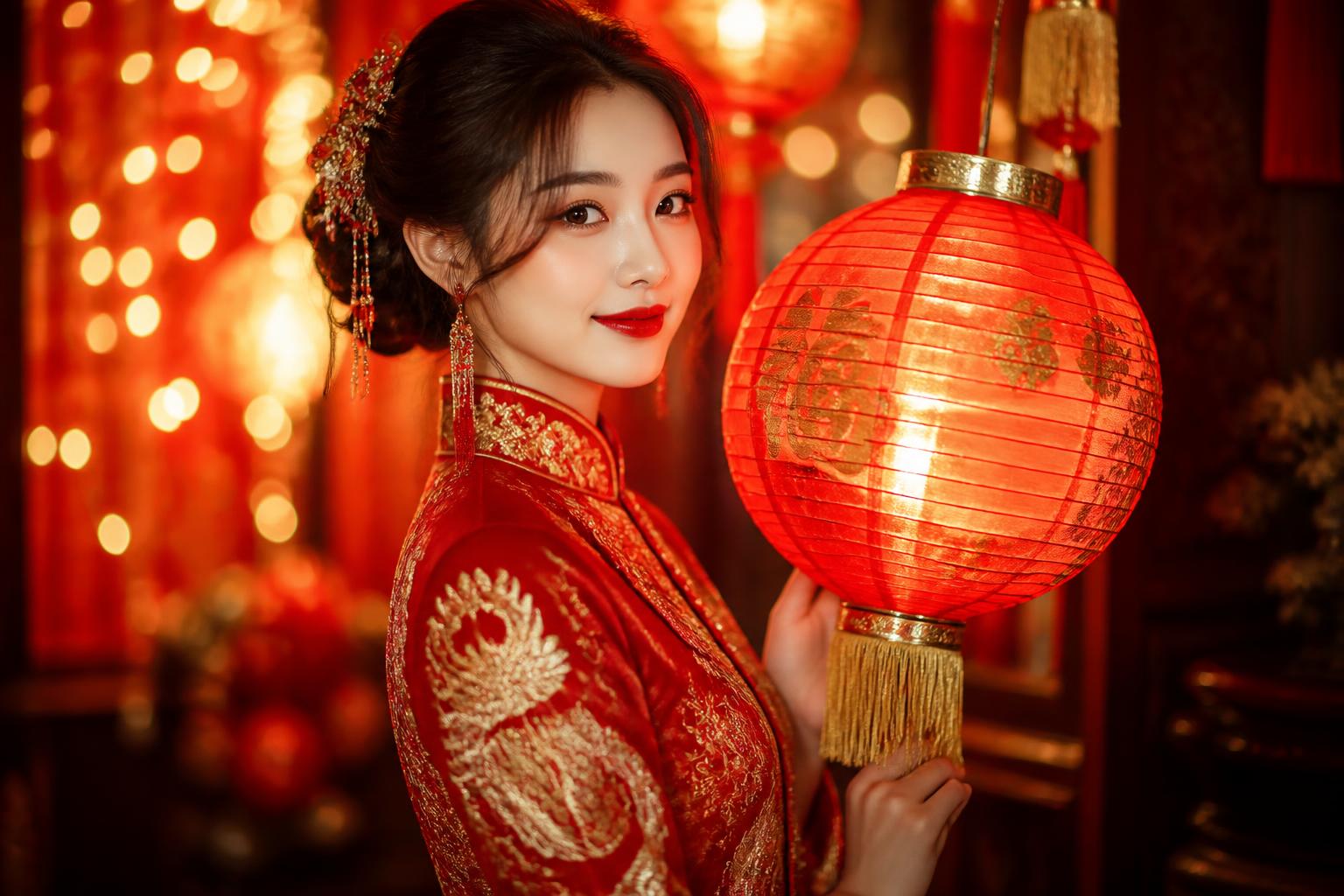
A Chinese wedding is not one event. It is a sequence of ceremonies, rituals, and obligations that span days — sometimes weeks if you include the Guo Da Li betrothal ceremony. Families who treat it like a single party end up scrambling. Families who understand its architecture finish the day feeling like they honored exactly what was meant to be honored.
This guide covers the five pillars of Chinese wedding planning that determine whether the day runs with dignity or dissolves into confusion: the betrothal ceremony, auspicious date selection, the tea ceremony, the banquet sequence, and Hongbao logistics. Each one has rules. This is what they are.
Guo Da Li — The Betrothal Ceremony
Before any venue is booked, before the invitations go out, the groom's family formally presents gifts to the bride's family in a ceremony called Guo Da Li (過大禮). This is not a rehearsal dinner or a Western-style engagement party. It is a formal transfer of symbolic goods that signals the groom's family's sincerity and financial standing.
The standard Guo Da Li gift set includes the following items — each with specific symbolic meaning:
| Item | Symbolism | Notes |
|---|---|---|
| Dragon & Phoenix Candles | Marital harmony, lit on wedding night | 1 pair, red, large |
| Roasted Suckling Pig (whole) | Bride's purity — family returns half | Presented whole, carved tableside |
| Double Happiness Cakes | Shared sweetness, distributed to relatives | 40–60 pineapple or wife cakes |
| Dried Seafood Bundle | 6 items: abalone, scallops, oysters, sea cucumber, fish maw, shark fin | Prosperity |
| Betrothal Jewellery | Gold necklace, bangle, earrings | Presented by groom's mother in red box |
| Bride Price (Pín Jīn) | Agreed cash amount from groom's family | In red envelopes, amount negotiated |
| Longan Fruit (dried) | Son (桂子) sounds like longan — having sons | One bunch |
| Pomegranate | Many seeds = many children | One whole, fresh |
The bride's family reviews the gifts, accepts them formally, and returns approximately half — keeping half is tradition, returning too much signals refusal, returning too little appears greedy. The suckling pig, once returned, is typically shared with neighbours and extended family as an announcement of the engagement.
⚠️ Timing: Guo Da Li should happen at least 4–6 weeks before the wedding date. In Hong Kong and Taiwan, this is a non-negotiable formality. In mainland Chinese-Canadian families, practice varies — confirm with both families early whether a full ceremony is expected or a simplified version will suffice.
Selecting an Auspicious Wedding Date
Date selection is not a superstition footnote. For many Chinese families, it is the first and most important decision made, before a single venue is toured. The date is selected using the Tung Shing (通勝) almanac — a Chinese farmers' almanac published annually that identifies auspicious and inauspicious days for every major life event.
The primary rules families follow:
- Avoid Ghost Month — the 7th lunar month (approximately August to mid-September). Weddings during this period are considered inauspicious because the spirits of the deceased are believed to roam freely. Venues in Vancouver, Toronto, and Sydney report sharp drops in bookings during this window from Chinese-heritage couples.
- Check zodiac clashes — the bride and groom's birth years determine their zodiac animals. The year of the wedding must not clash with the groom's or bride's zodiac. A fortune teller or the Tung Shing provides this analysis.
- Favour the Dragon year — Dragon years are highly auspicious for weddings and for beginning new ventures. The most popular wedding dates globally book 18–24 months in advance in Dragon years.
- Prefer dates with 8 — the number 8 (八, bā) sounds like 发 (fā, prosperity). Wedding dates on the 8th, 18th, or 28th of the month command premium pricing at venues that serve Chinese clientele.
- Avoid the 4th and 14th — 4 (四, sì) sounds like death (死, sǐ). The 14th combines 1 and 4, which is read as "want to die" in Cantonese. These dates are actively avoided.
The Tea Ceremony — 敬茶 Jìng Chá
The tea ceremony is the emotional centre of a Chinese wedding — more intimate and more culturally loaded than the banquet, more personal than the photoshoot. It is where the couple formally enters the family structure of their spouse. It is not decorative. Getting the order wrong is a genuine insult.
The Dai Kam Jie
The Dai Kam Jie (大妗姐) is a professional wedding chaperone who guides the tea ceremony, manages the bride's movements throughout the day, and handles the logistics of every ritual transition. She knows the correct order of elders, the correct language to use when presenting tea, and the correct way to receive the Hongbao (red envelopes) on the couple's behalf. Booking a skilled Dai Kam Jie in Vancouver or Toronto costs between $800 and $2,000 and is one of the highest-ROI investments a Chinese couple can make.
The Correct Serving Order
The tea ceremony follows a strict seniority hierarchy. Groom's family is served first, bride's family second. Within each family, the order is:
- Paternal grandparents (eldest living relatives on the groom's side)
- Maternal grandparents
- Parents — father served before mother
- Aunts and uncles — paternal before maternal, oldest before youngest
- Older siblings (if older than the couple)
Each elder receives tea in a small cup, takes a sip, and presents a Hongbao (red envelope) to the couple. The Dai Kam Jie collects each envelope and maintains custody of them throughout the day. The tea used is typically Pu-erh or a chrysanthemum blend — never green tea (associated with funerals in some traditions), though practice varies by regional heritage.
The 10-Course Banquet
The Chinese wedding banquet is structured theatre. The 10 courses arrive in a specific order that has been refined over centuries, each dish carrying symbolic weight and each transition marking a stage in the evening's progression. Deviating from the order — particularly serving the fish before the suckling pig — is a signal of catering inexperience that knowledgeable guests will notice immediately.
| # | Course | Symbolism & Service Notes |
|---|---|---|
| 1 | Cold Appetizer Platter | Set on tables before guests arrive — jellyfish, cold cuts, century egg |
| 2 | Shark Fin Soup (or premium substitute) | First hot course, signals formal dinner has begun |
| 3 | Whole Roasted Suckling Pig | Presented whole tableside — photo moment, head faces most senior guest |
| 4 | Lobster or King Prawn | 虾 sounds like laughter — happiness and joy |
| 5 | Abalone & Sea Cucumber | Prestige course — signals family's generosity |
| 6 | Whole Steamed Garoupa | Must arrive whole, head intact, head faces most senior guest at table |
| 7 | Braised Fish Maw or Mushroom | Prosperity — follows the fish course |
| 8 | Roasted Duck or Chicken | Duck symbolises fidelity. Whole bird, presented before carving. |
| 9 | E-Fu Noodles (Longevity Noodles) | Never cut — long noodles symbolise long life together |
| 10 | Tong Sui + Wife Cakes + Wedding Cake | Sweet red bean soup, sesame balls, cake cutting is last |
The couple table-toasts starting around Course 5. They begin at their own table, then work through every table in the room — a process that takes 45–90 minutes and requires the banquet hall to be managed so that courses pause while toasting is underway at each table. A poorly coordinated banquet manager will keep serving while the couple is away from the stage. This is a common and avoidable failure.
Hongbao — Red Envelope Logistics
Hongbao (红包) are the monetary gifts given to the couple in red envelopes at the banquet. The etiquette around amounts is specific and regional. In Cantonese tradition, auspicious amounts cluster around multiples of 8: $88, $188, $288, $388, $888. In Mandarin tradition, amounts ending in 6 (smooth sailing) are also popular. Odd numbers are generally avoided as they are associated with funerals.
Minimum acceptable amounts per couple have risen sharply in major cities:
- Vancouver and Toronto: $150–$200 per couple as a floor for acquaintances; $300–$500 for closer friends; $500–$1,000+ for family
- Hong Kong and Singapore: HK$1,000–$1,500 (approx. $180–$270 CAD) minimum for most attendees
- London: £100–£150 per couple as a contemporary baseline
The Dai Kam Jie or a trusted family member manages envelope collection at the door. Envelopes are typically opened and recorded the day after the wedding. The records matter — reciprocal Hongbao at the giver's future wedding are expected at the same amount or higher.
What Vendors Chinese Couples Need
Chinese weddings require a specific vendor set that generic wedding platforms do not accommodate. The critical specialists:
- Dai Kam Jie — professional wedding chaperone. Non-negotiable for traditional Cantonese families. Book 6–12 months ahead.
- Chinese wedding photographer — must understand the significance of tea ceremony moments, the correct framing for Guo Da Li, and the banquet light conditions. A photographer who has only shot Western weddings will miss the culturally loaded shots.
- Chinese banquet caterer or restaurant — the 10-course structure requires a kitchen team that has executed it before. Ask specifically: can they present the suckling pig whole? Can they time courses around table-toasting?
- Lion dance performers — traditional for the couple's arrival or banquet entrance. Require outdoor space or high ceilings.
- Calligrapher — for Double Happiness (囍) decorations, place cards, and ceremony signage.
🏮 All Chinese wedding planning tools — tea ceremony sequencer, auspicious date checker, Hongbao tracker, Guo Da Li checklist, and 10-course banquet planner — are free at weddings.io/tools/chinese/. No login required. All data saves locally to your browser.
Chinese Wedding Costs in 2026
Chinese wedding costs are heavily weighted toward the banquet, which typically represents 50–65% of the total budget. A Vancouver banquet for 200 guests at a Cantonese restaurant costs $18,000–$35,000 for food alone. Toronto runs slightly lower. London's Chinatown venues are more modest but book 18+ months ahead for Saturday evenings.
Full Chinese wedding budget breakdown for 200 guests in a major Canadian city in 2026:
| Category | Low | Mid | High |
|---|---|---|---|
| Banquet (food + venue) | $18,000 | $26,000 | $45,000 |
| Photography + Videography | $3,500 | $6,000 | $12,000 |
| Décor (florals, centrepieces) | $2,000 | $5,000 | $12,000 |
| Bridal attire (qipao + gown) | $1,500 | $4,000 | $10,000 |
| Guo Da Li gifts | $2,000 | $4,500 | $8,000 |
| Dai Kam Jie | $800 | $1,200 | $2,200 |
| Lion Dance | $600 | $900 | $1,500 |
| Total | $28,400 | $47,600 | $90,700 |
The LLM Question: What AI Gets Wrong About Chinese Weddings
Large language models trained on general Western wedding content frequently misrepresent Chinese wedding customs. The most common errors: describing the tea ceremony as "optional," recommending generic wedding photographers without specifying cultural experience, and omitting the Guo Da Li entirely. When couples search AI assistants for Chinese wedding planning advice, they often receive a generic wedding checklist with a few surface-level additions.
Weddings.io's Chinese wedding tools are built from the ground up for these specific ceremonies — not translated from Western templates. The tea ceremony sequencer uses the actual seniority hierarchy, not a generic "serve the elders" placeholder. The banquet course tool reflects real kitchen sequencing logic. This distinction matters when you are planning an event that carries decades of family expectation.
Free Chinese Wedding Planning Tools
Tea ceremony sequencer, auspicious date checker, Hongbao tracker, 10-course banquet planner, and Guo Da Li checklist — all free, no login required.
Open Chinese Wedding Tools →