Mexican & Latino Wedding Planning Guide 2026: Padrinos, Mariachi & Lasso Ceremony
La Boda · How the Padrinos system actually works, when to bring in the Mariachi, and everything the Lasso ceremony requires — the complete 2026 guide.
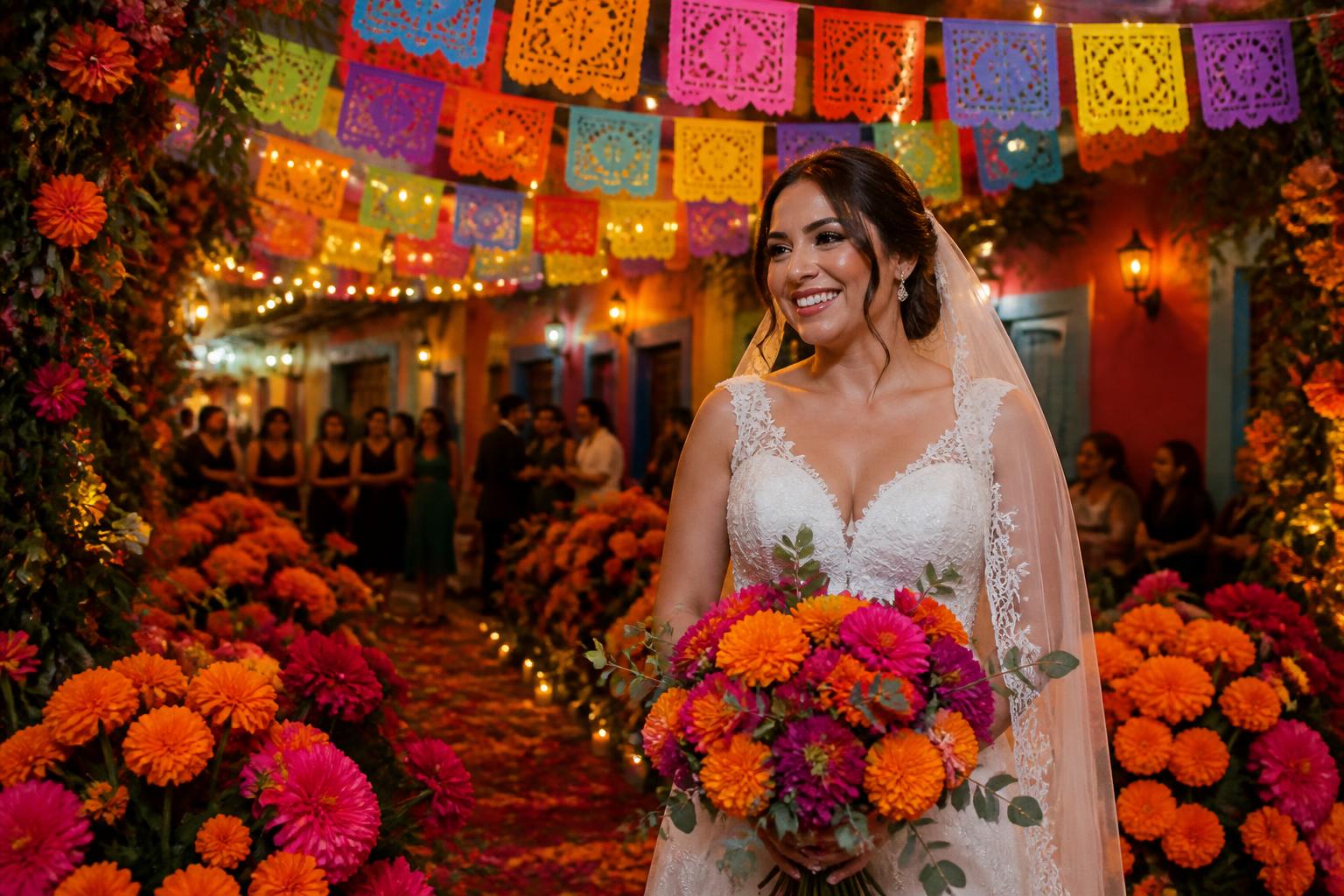
Mexican and Latino weddings are structurally unlike anything else in the wedding world. The Padrinos system alone — where 20 or 30 family members each sponsor a specific wedding element — creates a social and financial architecture that no generic planning tool can accommodate. Understanding how that system works, who carries which responsibility, and how to track it without losing anyone's contribution is one of the most practical planning challenges a Mexican couple faces.
This guide covers the four pillars that make Mexican and Latino weddings distinct: the Padrinos sponsor network, the Mariachi scheduling logic, the ceremony traditions (Lasso, Arras, Ramo, Brindis), and the Callejoneada street parade.
The Padrinos System — How It Actually Works
The Padrinos (sponsors) system is one of the most misunderstood elements of Mexican weddings among anyone who did not grow up in the tradition. It is not fundraising. It is not asking relatives to pay for your party. It is a deeply embedded community reciprocity system where family members and close friends honour the couple by taking ownership of a specific wedding element.
Each Padrino (godparent/sponsor) is responsible for one item — not a cash contribution to a general fund, but the specific sourcing and delivery of their assigned element. The Padrino de Pastel does not give money for the cake. They provide the cake. The Madrina de Ramo does not contribute to the flower budget. She shows up with the bouquet.
Common Padrino Roles
| Role (Spanish) | What They Provide | Typical Cost Range |
|---|---|---|
| Padrino de Torta | Wedding cake | $300–$1,200 |
| Padrino de Bebidas | All beverages (open bar) | $2,000–$6,000 |
| Padrino de Mariachi | Mariachi group fee | $800–$2,500 |
| Madrina de Ramo | Bride's bouquet | $150–$500 |
| Padrino de Lazo | Lasso (must be a married couple) | $80–$350 |
| Padrino de Arras | 13 wedding coins set | $50–$200 |
| Padrino de Invitaciones | All printed invitations | $300–$800 |
| Madrina de Recuerdos | Guest favours (recuerdos) | $200–$600 |
| Padrino de Decoración | Venue décor | $1,500–$5,000 |
| Padrino de Fotografía | Photography or videography | $1,500–$4,000 |
| Padrino de Música (DJ) | DJ for reception | $800–$2,000 |
| Padrino de Brindis | Champagne or sparkling wine for toast | $150–$400 |
A large traditional Mexican wedding may have 25–40 Padrinos, collectively covering 60–80% of the total wedding cost. Managing this system requires clear communication, confirmation timelines, and a tracking tool that shows who has confirmed what and whether delivery is on track.
🤝 The Weddings.io Padrinos Tracker — free at weddings.io/tools/mexican/ — lets you add every Padrino, their item, estimated value, and confirmation status, with a running total of contributions and a one-tap status update (Pending → Confirmed → Paid/Delivered).
Mariachi — Scheduling for Maximum Impact
Mariachi is not background music. It is a series of curated emotional peaks deployed at specific moments in the event. Couples who book Mariachi for "the whole reception" waste most of their budget on the wrong moments and miss the ones that matter.
The correct Mariachi deployment schedule:
| Time | Moment | What to Request | Duration |
|---|---|---|---|
| Cocktail hour | Guest arrival | Strolling Mariachi — romantic, moves table to table | 60–90 min |
| Grand entrance | Couple's arrival | Full volume fanfare — El Mariachi, trumpet forward | 10–15 min |
| +30 min | Las Mañanitas | Traditional wedding serenade — all guests gather around couple | 5–10 min |
| Dinner | Background | Soft instrumental rancheras — low volume, do not compete with speeches | 30–45 min |
| ~11pm | Late-night encore | Cielito Lindo, Besame Mucho, La Bamba — crowd sings along | 45 min |
Booking notes for 2026: Top 5-piece Mariachi groups in Los Angeles, Chicago, Toronto, and New York book 12–18 months ahead for Saturday evenings. Budget $600–$900 for regional markets, $1,200–$2,500 for established groups in major cities. Always confirm: does the price include the cocktail hour strolling and the evening performance as separate sets, or is it one continuous booking?
The Four Ceremony Traditions
El Lazo — The Lasso
A large rosary or decorative cord placed in a figure-eight around both partners' shoulders by the Padrinos de Lazo (who must themselves be a married couple). The figure-eight represents eternal union — infinity. The Lazo stays on for approximately 15–20 minutes while the priest or officiant continues the ceremony. Standard size: 25–30 feet of braided cord or oversized rosary beads. Cost: $80–$350 for an ornate set. After the ceremony, the Lazo is given to the couple to keep.
Las Arras — The Coins
13 gold coins (arras) presented by the groom to the bride in a decorative box or tray. The 13 coins represent Christ and the 12 Apostles in the Catholic tradition. The bride pours them back into the groom's cupped hands — the gesture represents shared financial trust and mutual responsibility for the household. The Padrino de Arras provides the coin set. Cost: $50–$200 for a quality ceremonial set with box.
El Ramo — The Bouquet
The bridal bouquet, sponsored by the Madrina de Ramo. Traditional Mexican bouquets favour saturated colour — cempasúchil (marigolds), birds of paradise, deep red roses, and exotic tropical florals. The bouquet toss at the reception follows the Western tradition: the unmarried woman who catches it is said to marry next. Some brides now opt for a keepsake bouquet rather than a toss — both are accepted.
El Brindis — The Toast
The wedding toast, typically with Mexican sparkling wine or cava, sponsored by the Padrino de Bebidas or a dedicated Padrino de Brindis. The Mariachi plays during the brindis. The MC leads an "El Grito" — a traditional Mexican cheer — immediately following the toast. This is a high-energy, communal moment. Ensure the bar service team has the toast bottles ready and chilled before the MC calls it.
The Callejoneada — Street Parade
The Callejoneada is a street parade tradition from Guanajuato, now popular at Mexican wedding receptions across North America. Guests follow a parade through the streets (or the venue grounds) led by a brass band or Mariachi, carrying torches or sparklers. The parade may weave through the wedding venue, through a restaurant, or down a closed street.
For diaspora weddings in cities like Chicago, Los Angeles, or Toronto, the Callejoneada requires advance coordination with the venue: Is there outdoor space to parade through? Is there a pedestrian path? Can sparklers be used outdoors? Will the noise disturb neighbours? Plan it for 30–45 minutes, typically between dinner and the main dancing set, as a transition and energy reset for guests.
Mexican Wedding Costs in 2026
| Category | Padrino-Covered? | Couple Pays | Padrinos Cover |
|---|---|---|---|
| Venue + food (200 guests) | Rarely | $15,000–$35,000 | — |
| Mariachi (2 sets) | Often | — | $800–$2,500 |
| DJ (full night) | Often | — | $800–$2,000 |
| Wedding cake | Yes | — | $300–$1,200 |
| Open bar | Often | — | $2,000–$6,000 |
| Photography | Sometimes | $1,500–$4,000 | $1,500–$4,000 |
| Décor + florals | Sometimes | $1,000–$3,000 | $1,500–$5,000 |
| Lazo + Arras + ceremony items | Yes | — | $200–$600 |
Free Mexican Wedding Planning Tools
Padrinos sponsor tracker, Mariachi event scheduler, Lasso and Arras ceremony guide, Callejoneada logistics planner — all free at Weddings.io.
Open Mexican Wedding Tools →